
Understanding the Living Side of Your Soil
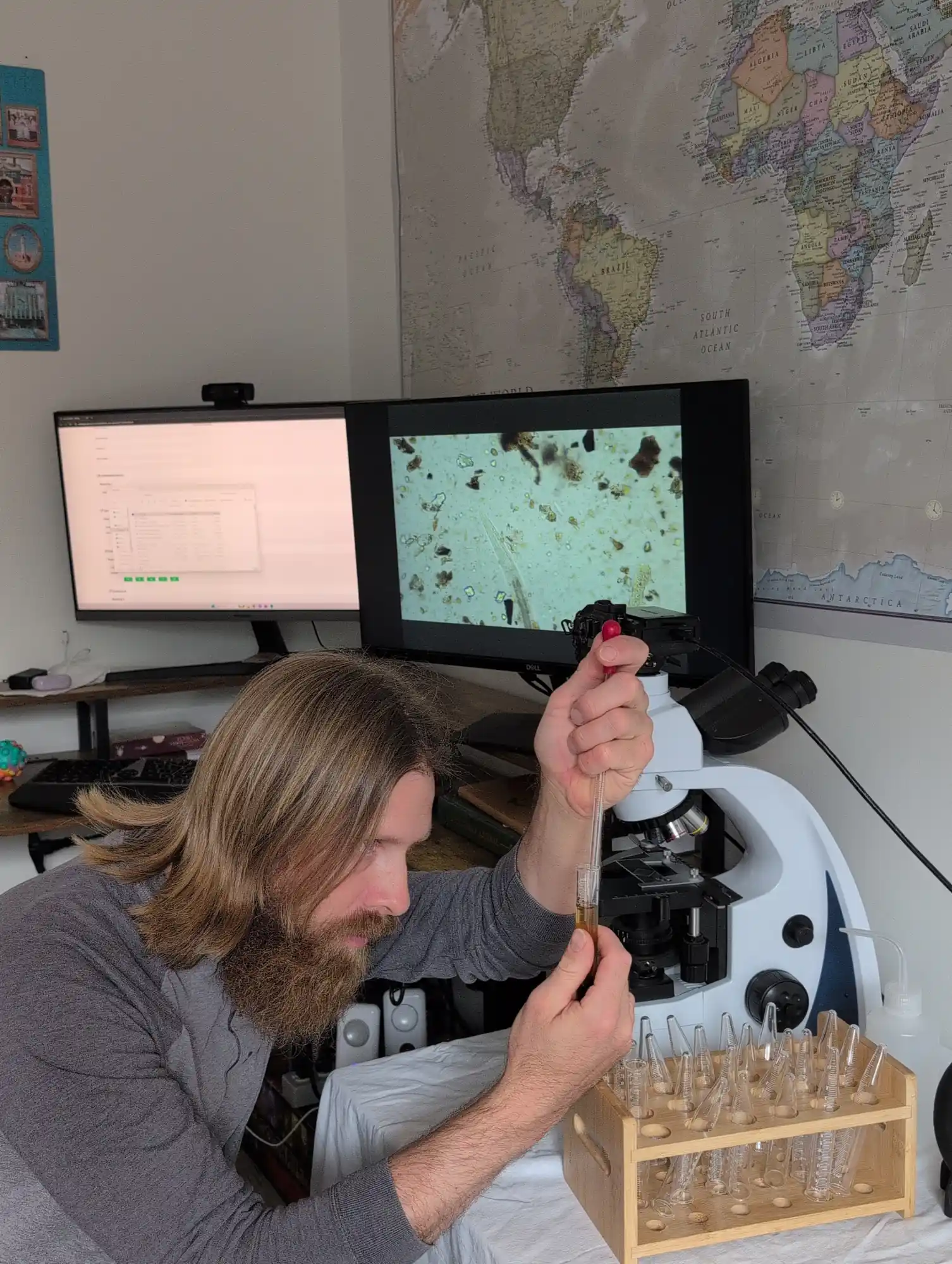
The soil food web
Biological soil testing
Especially useful for evaluating
Biological testing shows the living system behind nutrient cycling, structure, and resilience, the part a chemistry test can’t see.
This test is for understanding microbial life, biological balance, and soil food web function. Testing is done in-house, for a direct look at the living side of your soil.
Compost
Grazing recovery
Biological amendments
Reduced-input systems
Long-term soil health
What makes this different
Biological testing looks at
- Microbial groups
- Fungal vs. bacterial balance
- Soil food web function
Which drives
- Nutrient availability
- Aggregation and structure
- Water infiltration
- Plant health
Standard Soil Test
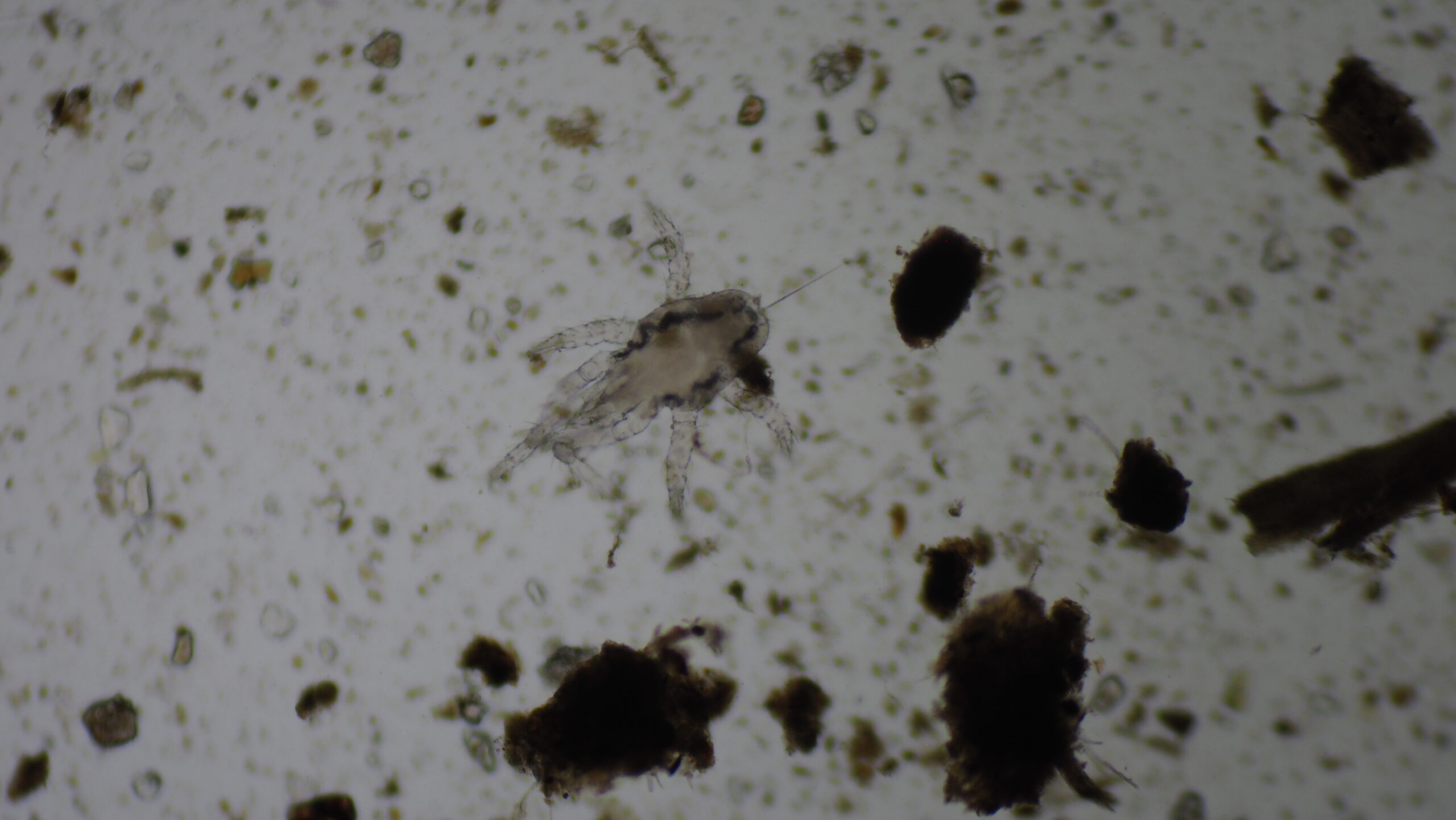
- In-house biological soil microscopy assessment and nematode extraction
- Evaluation of microbial feeding groups and relative abundance
- A better sense of nematode quantities and feeding group diversity
- A report with data and interpretation notes
Add-on - Wake Up Soil Test
- Standard soil test redone after wetting to field capacity for 48 hours. Nematode extraction not included (standard nematode count will be conducted).
- See what’s sleeping, not just what’s active, to compare current activity with what wakes up when conditions improve. In dry soils, many organisms go dormant to survive. A second look after rewetting shows which ones are still there, waiting for water.
How this fits into the bigger picture
Soil and plant tests are most useful together. Clients often pair biological testing with other lab work, and look at all of it as one system through consulting.
Often paired with
Soil chemistry
Plant sap or tissue analysis
Total nutrient digest
Testing provides data. Consulting turns that data into decisions.
Not sure where to start?
Whether you need biological testing, help choosing lab tests, or a full system interpretation, start with a conversation.